• Backpacking With Goats, Milk on the Go!

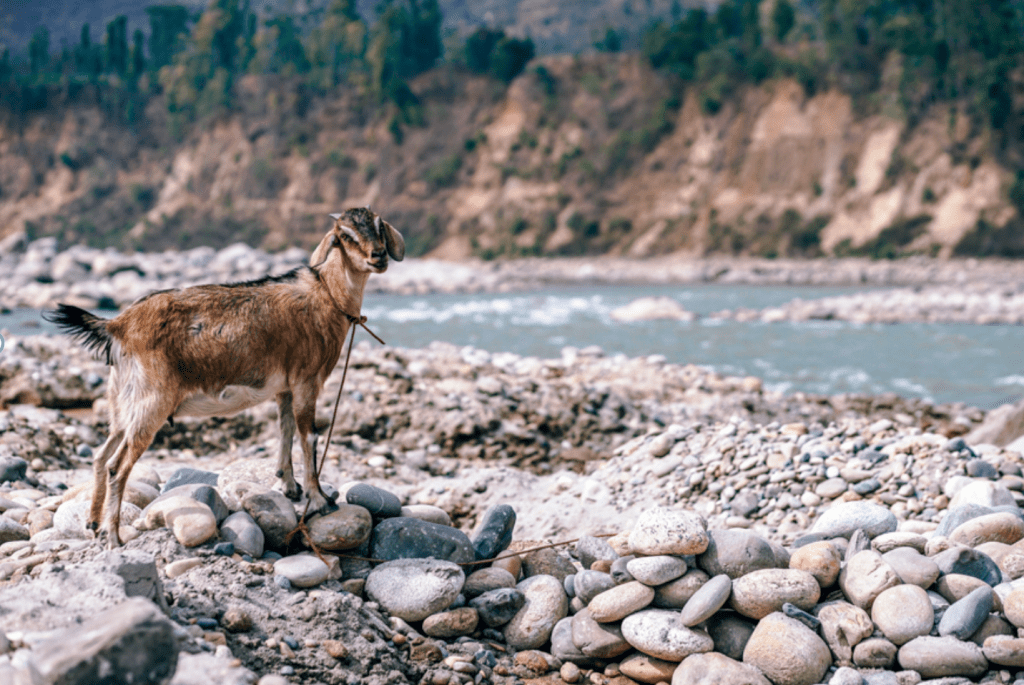
    Goats have risen to popularity over the last few years. Their mischievous antics and acrobatic feats have won them a place in the hearts of people around the world. They come in all shapes and sizes, which has allowed those without land for a full-scale farm to own these playful creatures.

    Wethers (castrated males) are the typical pick for backpacking when it comes to goats, as they’re usually more even-tempered and hygienic than bucks, but don’t discount does! Even a milking doe can become accustomed to a backpack and can provide fresh milk during your adventures, which can be especially good for cooking at your campsite.

    Goats typically can carry 25% of their body weight, so even breeds such as the Dwarf Nigerian; can be a helpful companion on your long walks. Just remember to keep health and conditioning in mind as goats unused to carrying packs or those that are overweight, may not be able to handle the exertion.

    First and foremost remember that every piece of land belongs to someone. Make sure to check in with each owner, campsite, and State or National Park to make sure pack animals are allowed on the trails. Don’t assume that just because dogs are allowed, goats are too.

    Precautions and Tips For the Trail

    • Dogs and wildlife can be the biggest threat to your goats, be prepared to fend them off and avoid areas where dogs are frequently off-leash.  
    • Always have a leash handy, and your goat trained to accept it. You never know when you may need it.  
    • Bells around the neck will help you keep up with your goats, and may also keep predators at bay.  
    • Bring plenty of water for you and your animals, along with a container for drinking (can be used for milking as well). 

    Always remember safety first. Bring along supplies such as first aid kits for your goats and yourself. Should the worse happen, have a plan for emergencies. Most of all have fun. When humans and animals work together, it is an unforgettable experience.

    https://www.backcountry.com/explore/backpacking-the-goatworthy-way

    https://willowwittranch.com/farm-goods/packgoats

    http://workinggoats.com/?id=218

    http://www.highuintapackgoats.com/faqs.htm

  • Chips, Heroic Dog of WWII

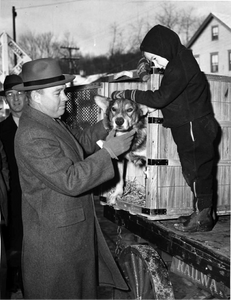
    Chips was a mutt, part German Shepherd, part Collie, part Husky. He was donated to the war effort as many family dogs were during WWII and ended up becoming, “one of the most heroic dogs to serve with the U.S. Army” according to PDSA director general Jan McLoughlin.

    He was trained as a sentry dog, and served in North Africa, Italy, France, Germany and Sicily. In addition to patrol duty with the infantry, he was posted to sentry duty in Casablanca during the January 1943 Roosevelt-Churchill Conference. Through eight campaigns across Europe, Chips was a POW guard and tank guard dog.

    During the invasion of Sicily, Chips and his handler Pvt. John P. Rowell became trapped by an Italian machine gun team. Chips broke free of his handler diving past gunfire into the barricade. The men were forced out and surrendered to the US. Scraped and burned but otherwise unharmed day Chips helped take 10 Italian prisoners that day.

    Chips was awarded the Distinguished Service Cross, Silver Star and Purple Heart medals, but they were revoked due to an Army policy in 1943 that prevented awarding official commendations to animals.

    However, in 2018 (need to check this date) Military working dog Ayron was awarded the Dickin Medal on Chips’ behalf keeping Chips’ legacy alive in America’s history.

  • Quick Tips for Going Green with your Pet

    Going green is the new big thing. It helps the planet, and it can help you save money too. Let’s be real, we all know that means more money to spend on your pets in the long run, but it can also mean happier and healthier pets in the future.

    Check out these tips for keeping the earth fit.

    1. Recycle pet food cans and plastic containers, such as those used for cat litter.  
    2. Speaking of litter, use the environmentally friendly kind. Clay litter is bad news because the dust irritates their respiratory system.  
    3. Since we’re talking about bathroom habits, remember to scoop your dog’s poop as it can pollute surface and groundwater.  
    4. If you’re picking up poo for your Cockapoo, remember plastic fills landfills; so biodegradable bags are the way to go.  
    5. Bags too close and personal for you? Buy reusable products such a metal poop scoops and washable puppy pads. 
  • 10 Natural Home Remedies for Your Dog

    These days herbal remedies are making a comeback when it comes to human health and skincare. However, your pooch can benefit too!

    1. Itchy skin? Try Vitamin E oil! Vitamin E capsules can also be broken open and used on warts, calluses, or dry spots.  
    2. Another great option for easing the itch is oatmeal. Not only is it delicious, but poultices or oatmeal baths can help soothe irritated skin.  
    3. Does your dog have an upset tummy? Electrolyte-packed liquids like flavorless pediatric drinks can help a puppy stay hydrated if he has diarrhea.  
    4. If your dog is having the opposite problem and suffers from constipation, a bit of canned pumpkin in their food can help move things along. Diced prunes can also be helpful.  
    5. Probiotics in yogurt, giving your dog a spoonful of plain yogurt can help his tummy get back on track. There are also products made especially for dogs containing probiotics that can be purchased from your vet or over-the-counter.  
    6. Dirty ears? Apple cider vinegar diluted with water and used as a rinse. Pour a small amount in the ear and massage the base. Let the dog shake to loosen debris, then gently swab the outside of the ear with a cotton ball.  
    7. Apple cider vinegar can also be used as a flea and tick repellant. Before your dog goes outside spritz them with a 50/50 solution of ACV and water.  
    8. Fleas also hate citrus! Lightly rub the juice of a fresh-squeezed orange or lemon along with your dog’s coat before he heads outdoors. Go ahead and make yourself some lemonade while you’re at it.  
    9. It may be gross to think about, but adding beneficial nematodes to your garden can help kill off fleas as they feed on flea larvae. Ladybugs can also be helpful and keeping away those tiny pests.  
    10. Food grade Diatomaceous earth is a powder made up of fossilized organisms called diatoms. This powder can break apart flea eggs and dry them out. You can also spread it where your dog frequents. If your dog licks it off, it’s full of minerals that are good for him! 

    Consult a veterinarian before administering any medication to your pet.

    https://www.treehugger.com/green-home/21-natural-home-remedies-pets.html

    https://www.petmd.com/dog/wellness/evr_dg_home_remedies?page=2

    https://www.thedogbakery.com/blogs/news/16-all-natural-remedies-to-soothe-your-dogs-itchy-skin

  • Meet the New Kitty! Tips for Starting a Multi-Cat Family

    I’ve seen it time and time again. You’re at the pet supply store buying some food for your resident cat then you notice that the local animal rescue is having a pet adoption event. In the corner, you spy a tiny kitten. You feel an instant connection with the ball of fluff. There is no stopping it. I mean you already have all those cat supplies at home. What’s one more?

    Without giving it another thought, you sign the paperwork and head home elated. However, your beloved house cat greets the newcomer with a less than a hospitable tirade of hisses and growls from your –rather angry – feline.

    Never fear! If there is one subject I know after living in a house with six cats, it’s how to handle troublesome cat behavior. Hopefully, the information in this post will settle your cat disputes amicably and keep the fur from flying. Following some simple steps will ensure that your new cat will transition into your family seamlessly.

    Tips for a Peaceful Transition into a Multi-Cat Home:

    • Have both cats checked by a vet to make sure there are no underlying problems that could increase aggression.  
    • Give them SPACE! If there is one thing I’ve learned about my kitty companions, it’s that they don’t care to have their personal space violated. Let your two cats have separate rooms away from one another so they can exchange greetings behind closed doors!  
    • Wait 2-3 days and swap spaces. Cats do altogether better if they don’t see each other during the introduction. Getting to know each other through smell first will allow your cat to adjust to the new cat’s presence without the chance of a fight. 
    • Keep things positive! Feed and play with both cats near the entrance of where you’re keeping the new cat isolated. Enlist a friend to make it more fun! 

    This process must be gradual and can take several weeks in some situations. If successful the cats will remain peaceful when they greet each other. If your house turns into a war zone immediately following the meet and greet – start the introduction process over again.

    Warning Signs to Watch for in a Multi-Cat Home:

    • Aggression: Hissing accompanied with growling, prolonged eye contact, bristled tails, and arched backs.  
    • Urine Marking: It may be how dogs say, “hello”, but it is usually how cats say, “go away, this is mine!” Urinating outside of a litter box often means your cat is stressed.  
    • Resource Guarding: This can lead to bullying and aggression. Cats do not like to share – well – anything, so make sure each cat has a food bowl, water bowl, and resting area. The golden rule for litter boxes is one for each cat – then one extra. 

    Change is never easy for anyone but especially cats! Breath deep, have patience. I promise in time, you’ll have a peaceful multi-cat home.

    https://www.petfinder.com/cats/bringing-a-cat-home/cat-to-cat-introductions/

    http://www.animalplanet.com/pets/how-to-introduce-a-new-cat-to-an-old-cat/

    http://www.humanesociety.org/animals/cats/tips/introducing_new_cat.html?referrer=https://www.google.com/